
Lifestyle
How to Drink More Water (Without Choking Down 8 Boring Glasses)
Learn how to drink more water with 7 easy habits that actually stick. Feel sharper, dodge the 3 p.m. slump, and save money on soda. Start now.
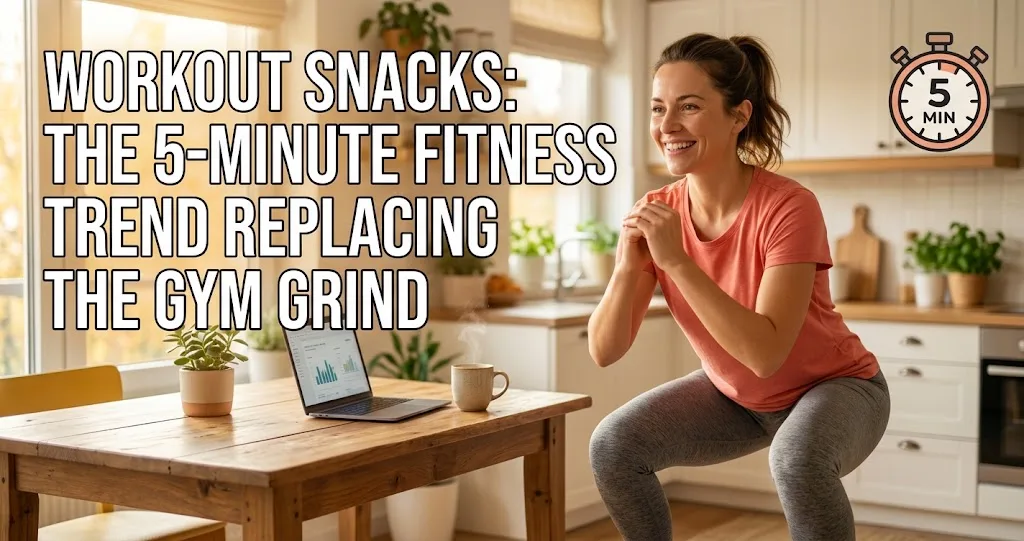
Workout Snacks: The 5-Minute Fitness Trend Replacing the Gym Grind
Workout snacks are the viral 5-minute fitness trend replacing the gym grind. See what they are, why they work, and how to start today.
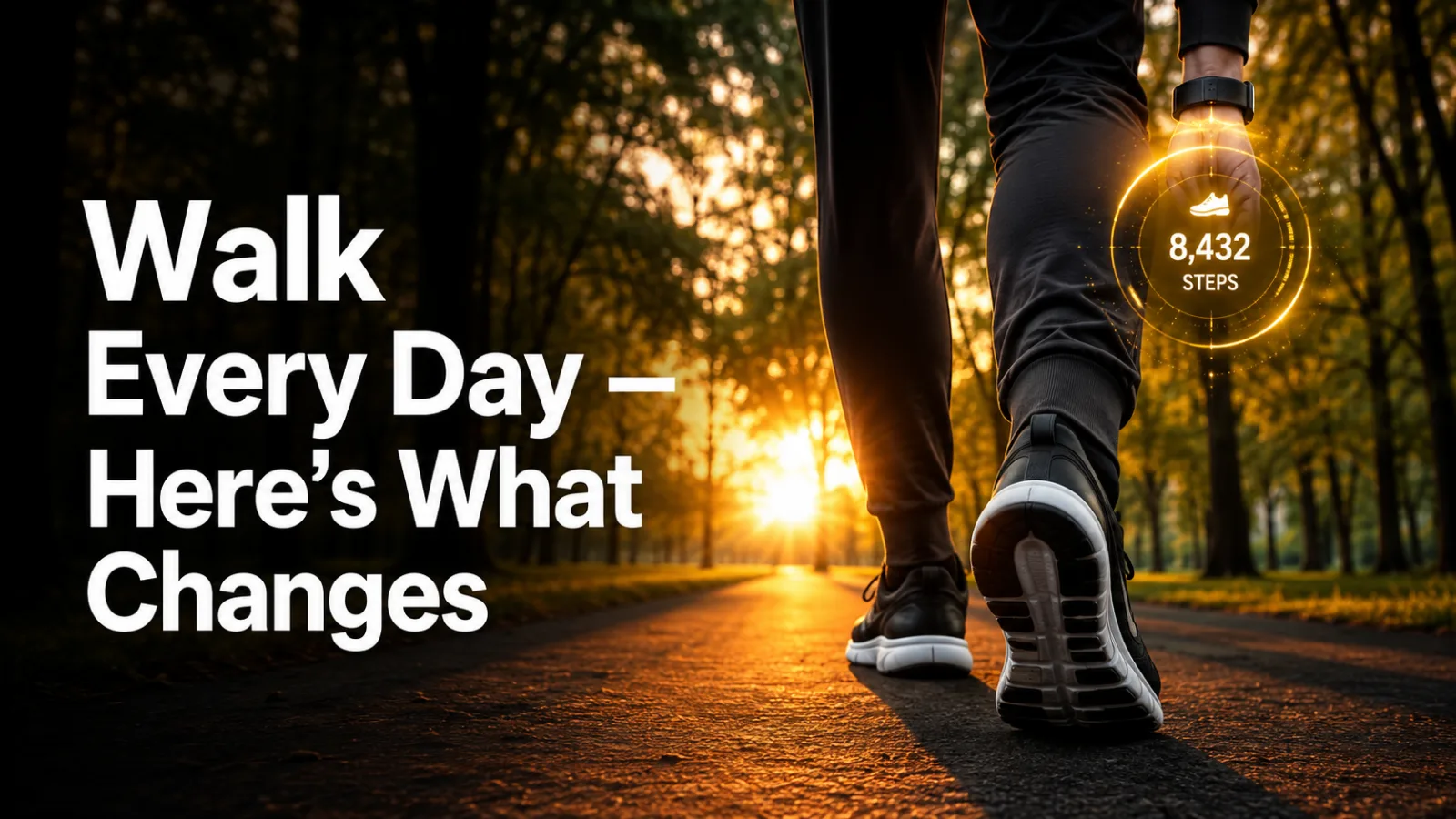
The Real Benefits of Walking Every Day (No Gym Required)
Discover the benefits of walking every day — steadier energy, a better mood, and easy calorie burn. See how to start and take your first walk today.

How to Fall Asleep Faster When Your Brain Won’t Shut Off
Quick Answer: To fall asleep faster, keep the same wake-up time daily, cool your room to around 65-68°F, put screens away an hour before bed, and slow your body down with 4-7-8 breathing. Still awake after 20 minutes? Get up, do something quiet and boring, then try again once you feel drowsy. What if you could be asleep ten minutes after your head hits the pillow? For most people, that’s not a superpower. It’s just a few habits done in the right order. Right now, though, it’s 12:47 a.m., you’re staring at the ceiling, and your brain is replaying something awkward you said in 2019. Been there? Look, you can’t force sleep. But you can learn how to fall asleep faster by setting up your body and your bedroom to do the work for you. Stick with these seven tricks, and you might fall asleep faster tonight than you have in months.
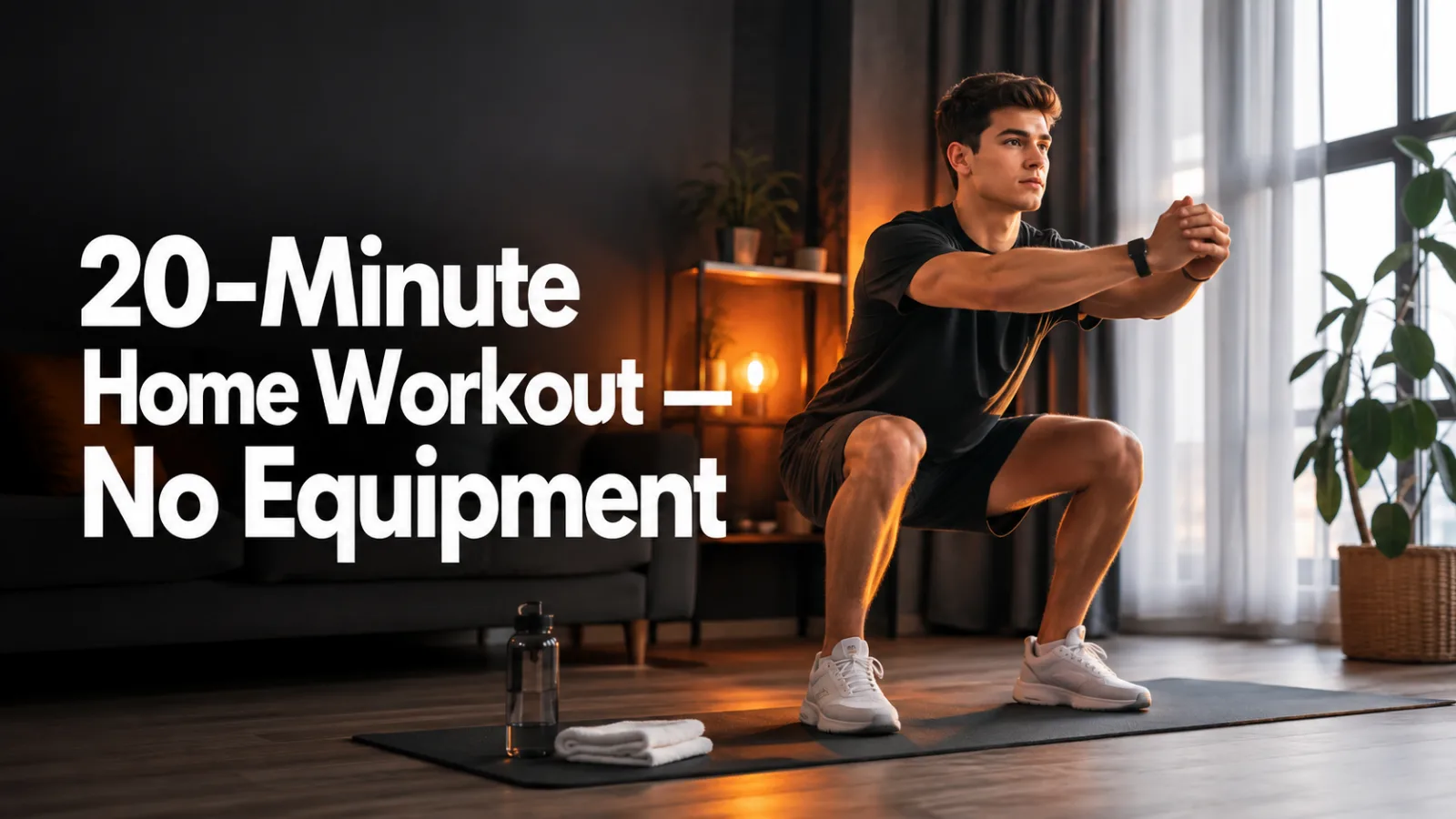
The 20-Minute Home Workout Without Equipment (Total Beginner Friendly)
Quick Answer: A solid home workout without equipment needs five moves: squats, push-ups, lunges, planks, and jumping jacks. Do three rounds — 10 to 12 reps of each, with a 20-to-30-second plank — three days a week. Warm up first, cool down after, and add reps as you get stronger. Your body already weighs enough to be a gym. Squats, push-ups, and planks use that weight to build real strength, and they cost you nothing. Let’s be honest, though. Gym memberships eat your money, the drive eats your time, and busy machines eat your patience. Sound like you? That’s exactly why a home workout without equipment works so well for beginners, students, and anyone on a budget. No gear, no commute, no excuses. Stay with this plan for the next few minutes, because your first workout can happen today — right where you’re sitting.

Side Hustles for College Students That Fit Between Classes
Quick Answer: The best side hustles for college students fit around classes and pay for hours you actually work. Top picks include tutoring, food delivery, babysitting, pet sitting, campus jobs, and freelance skills like writing or design. Start with one gig, set a fair rate, protect exam weeks, and track your income for taxes. The truth is, college math never quite adds up. Tuition eats the loans, rent eats the paycheck, and the dining hall closes right when you get hungry. That’s why side hustles for college students have basically become survival gear. The right gig slides between your Tuesday classes, pays actual cash, and doesn’t touch your GPA. This guide covers the gigs that work with a student schedule, how to pick one, and how to start without getting scammed or burned out. Whether you’ve got three free hours a week or fifteen, there’s a fit here. Keep reading — your ramen budget is about to get an upgrade.

How to Save Money on Groceries Without Clipping a Single Coupon
Quick Answer: You can save money on groceries by planning meals around weekly sales, shopping with a list, buying store brands, and comparing unit prices instead of sticker prices. Skip shopping while hungry, cook simple meals at home, and use up what’s already in your pantry before buying more. That moment at the register when the total flashes and you quietly rank which items to put back? Rough. Food costs real money, and prices haven’t been kind lately. But learning how to save money on groceries doesn’t mean coupon binders or sad dinners. A few smart habits can trim your bill week after week without giving up food you actually enjoy. This guide walks you through the exact moves, from planning at home to choices in the aisle. Nothing extreme here — just easy swaps that respect your time and your taste buds. Read on before your next store run, because saving money on groceries starts with the very next cart you fill.
In-feed ad slotnative · fluid