
Jobs Safe From AI Replacement in 2026 (And Which Aren't)
Which jobs are safest from AI replacement in 2026, and which are most at risk? A clear, honest breakdown of what the data actually shows.
Which jobs are safest from AI replacement in 2026, and which are most at risk? A clear, honest breakdown of what the data actually shows.

Learn how to drink more water with 7 easy habits that actually stick. Feel sharper, dodge the 3 p.m. slump, and save money on soda. Start now.
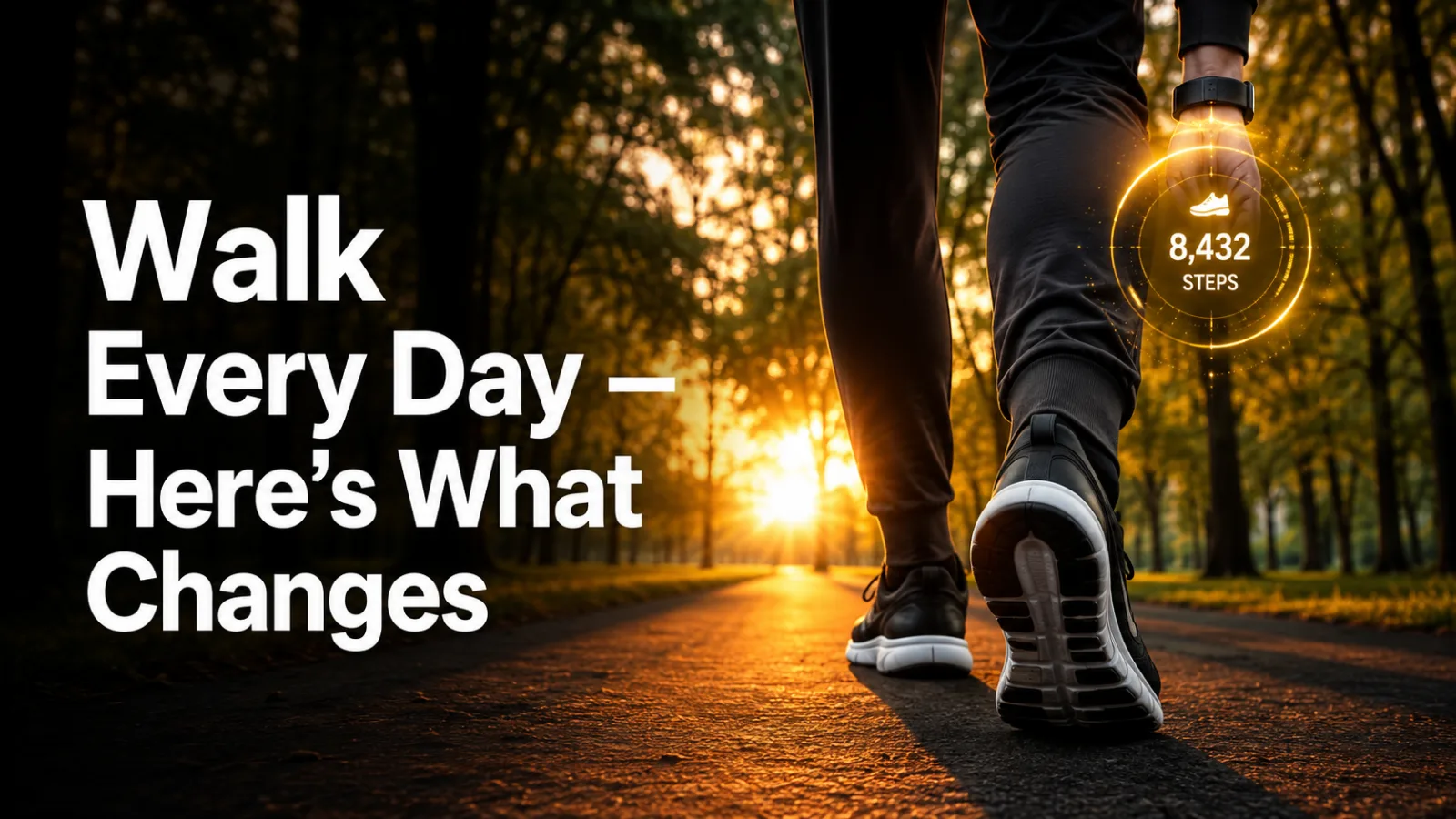
Discover the benefits of walking every day — steadier energy, a better mood, and easy calorie burn. See how to start and take your first walk today.

Quick Answer: To fall asleep faster, keep the same wake-up time daily, cool your room to around 65-68°F, put screens away an hour before bed, and slow your body down with 4-7-8 breathing. Still awake after 20 minutes? Get up, do something quiet and boring, then try again once you feel drowsy. What if you could be asleep ten minutes after your head hits the pillow? For most people, that’s not a superpower. It’s just a few habits done in the right order. Right now, though, it’s 12:47 a.m., you’re staring at the ceiling, and your brain is replaying something awkward you said in 2019. Been there? Look, you can’t force sleep. But you can learn how to fall asleep faster by setting up your body and your bedroom to do the work for you. Stick with these seven tricks, and you might fall asleep faster tonight than you have in months.
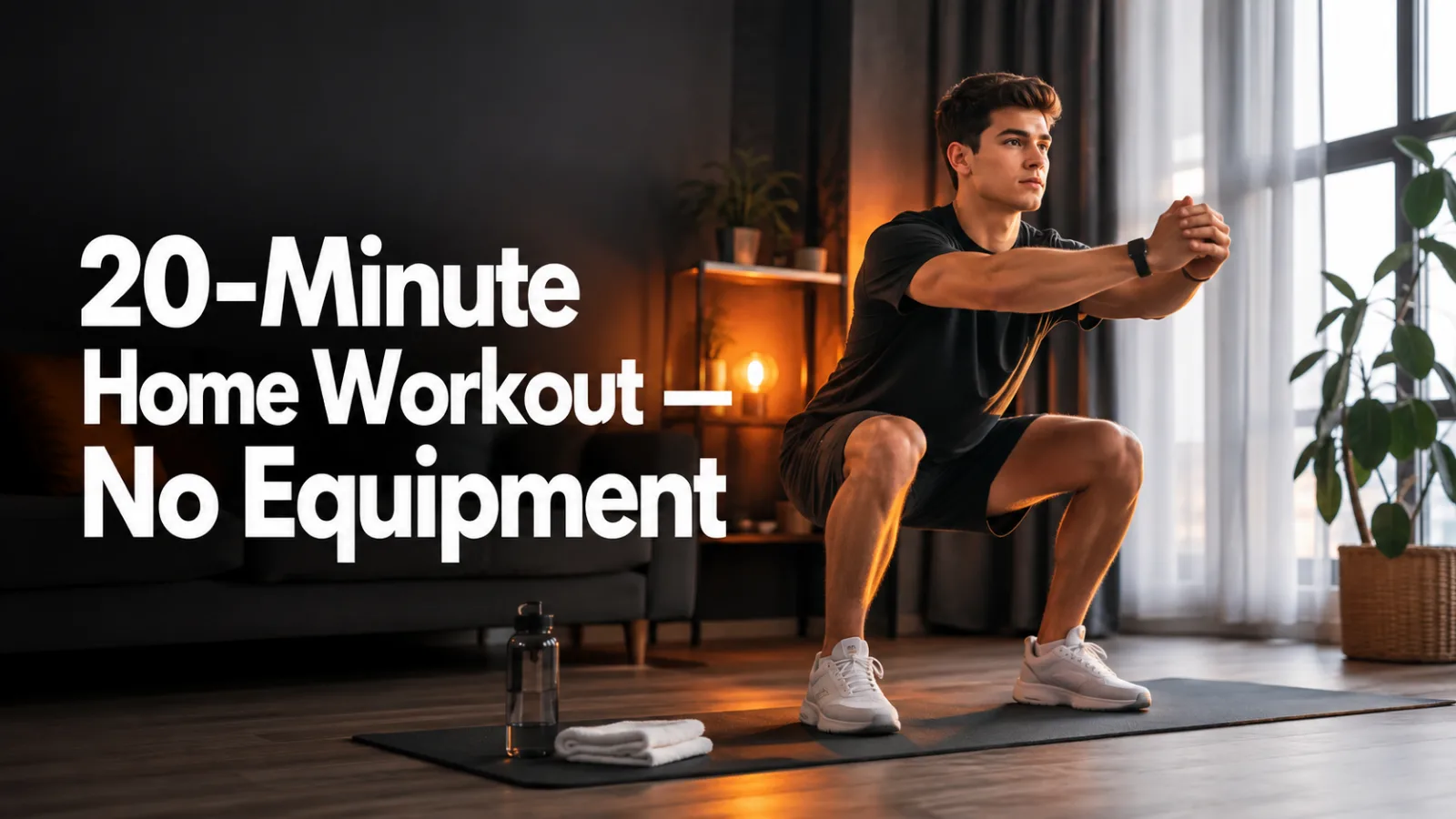
Quick Answer: A solid home workout without equipment needs five moves: squats, push-ups, lunges, planks, and jumping jacks. Do three rounds — 10 to 12 reps of each, with a 20-to-30-second plank — three days a week. Warm up first, cool down after, and add reps as you get stronger. Your body already weighs enough to be a gym. Squats, push-ups, and planks use that weight to build real strength, and they cost you nothing. Let’s be honest, though. Gym memberships eat your money, the drive eats your time, and busy machines eat your patience. Sound like you? That’s exactly why a home workout without equipment works so well for beginners, students, and anyone on a budget. No gear, no commute, no excuses. Stay with this plan for the next few minutes, because your first workout can happen today — right where you’re sitting.

Quick Answer: To stop impulse buying, add a 24-hour wait before every unplanned purchase, delete saved cards from shopping apps, unsubscribe from sales emails, and shop with a list. Then give yourself a small fun money budget each month. Most urges fade within a day, so waiting beats willpower every time. A box lands on your porch, and for a second you can’t even remember ordering it. Sound familiar? Here’s the thing. You’re not bad with money. You’re up against apps, ads, and one-click checkouts built to make you spend before you think. That’s why learning how to stop impulse buying matters so much for your wallet and your stress level. The fix isn’t superhuman willpower. It’s a handful of small systems that slow your spending down. Grab a coffee and stick around, because these seven steps can start saving you real money this week.
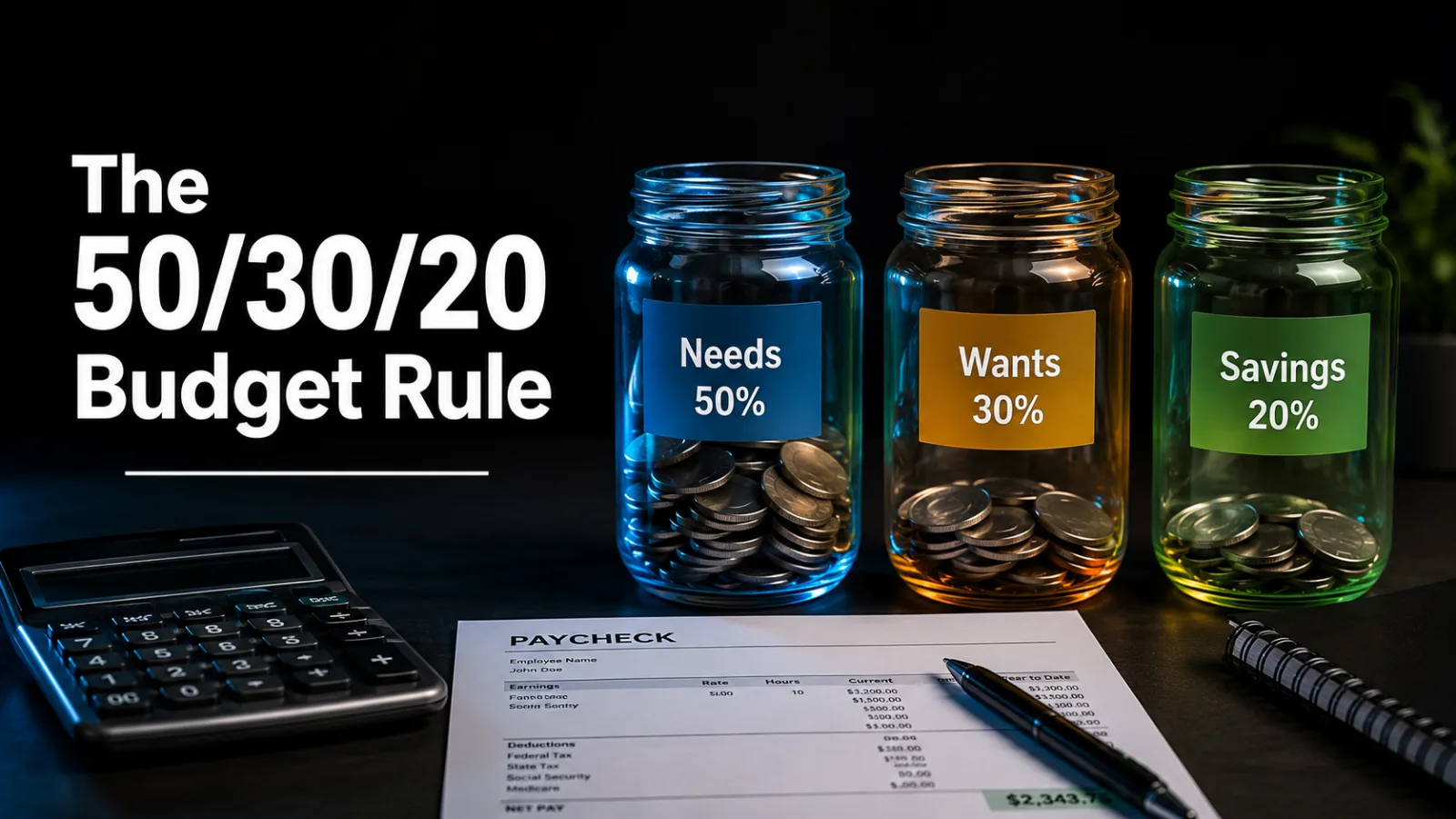
Quick Answer: The 50/30/20 budget rule splits your after-tax income into three buckets: 50% for needs like rent and groceries, 30% for wants like eating out, and 20% for savings and extra debt payments. It works because you only track three numbers instead of thirty spending categories. Most budgets die in week two. Not because you’re bad with money — because the plan had thirty categories and zero chill. The 50/30/20 budget rule takes the opposite approach: three buckets, one quick math session, done. Needs get half, wants get almost a third, and your future gets the rest. No spreadsheet marathons, no logging every coffee. If every budget you’ve tried has collapsed by the fifteenth of the month, this one was built for you. Give this guide five minutes, and you’ll walk away with a working money plan before your next paycheck lands. Fair deal? Then grab your pay stub and follow along.

Quick Answer: The best side hustles for college students fit around classes and pay for hours you actually work. Top picks include tutoring, food delivery, babysitting, pet sitting, campus jobs, and freelance skills like writing or design. Start with one gig, set a fair rate, protect exam weeks, and track your income for taxes. The truth is, college math never quite adds up. Tuition eats the loans, rent eats the paycheck, and the dining hall closes right when you get hungry. That’s why side hustles for college students have basically become survival gear. The right gig slides between your Tuesday classes, pays actual cash, and doesn’t touch your GPA. This guide covers the gigs that work with a student schedule, how to pick one, and how to start without getting scammed or burned out. Whether you’ve got three free hours a week or fifteen, there’s a fit here. Keep reading — your ramen budget is about to get an upgrade.

Quick Answer: To improve your credit score fast, pay every bill on time, pay card balances down before the statement date, and dispute any errors on your credit reports. Keeping your credit utilization low and leaving old accounts open can also help. Many updates show up within one or two billing cycles. You pull up your credit score before an apartment application, and your stomach drops. Rough, right? Take a breath, because scores aren’t tattoos — they change as your reports change. Learning how to improve your credit score fast comes down to a handful of moves that scoring models respond to, and most of them cost nothing. No gimmicks here, and no fake promises either: nobody can guarantee a specific jump, but the steps below are the ones that tend to matter most. Stick with this guide for five minutes, and you’ll know exactly what to do tonight, this week, and this month.

Quick Answer: You can save money on groceries by planning meals around weekly sales, shopping with a list, buying store brands, and comparing unit prices instead of sticker prices. Skip shopping while hungry, cook simple meals at home, and use up what’s already in your pantry before buying more. That moment at the register when the total flashes and you quietly rank which items to put back? Rough. Food costs real money, and prices haven’t been kind lately. But learning how to save money on groceries doesn’t mean coupon binders or sad dinners. A few smart habits can trim your bill week after week without giving up food you actually enjoy. This guide walks you through the exact moves, from planning at home to choices in the aisle. Nothing extreme here — just easy swaps that respect your time and your taste buds. Read on before your next store run, because saving money on groceries starts with the very next cart you fill.
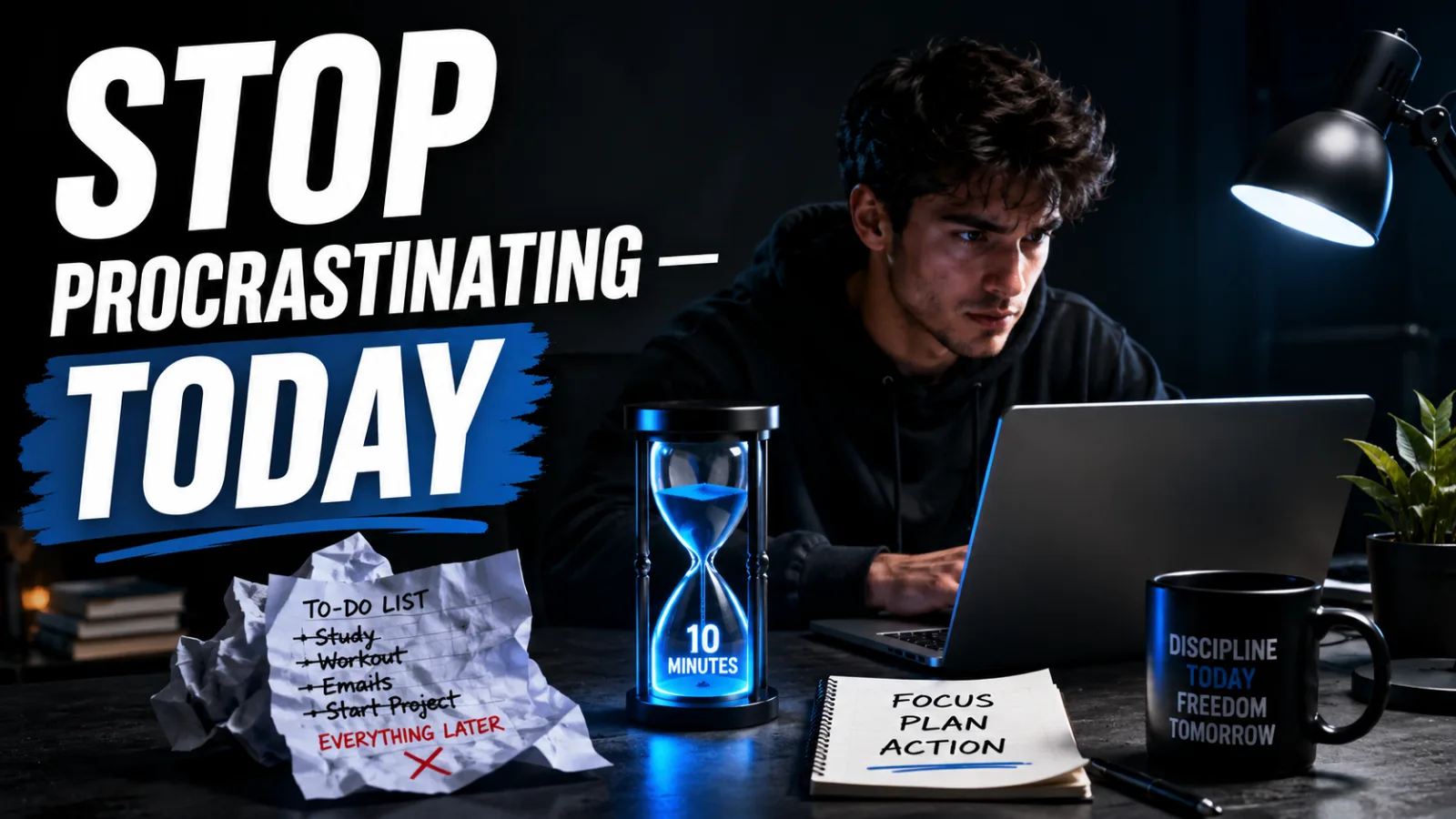
Quick Answer: To stop procrastinating, shrink the task until it feels easy, start with just two minutes, and remove distractions before you begin. Set a timer, work in short bursts, and reward yourself for starting. Small starts beat waiting for motivation, because action creates motivation — not the other way around. Ever opened your laptop to start something big, then somehow spent forty minutes watching videos about penguins? Sound familiar? You’re not lazy, and you’re not broken. You just haven’t learned how to stop procrastinating in a way that works with your brain instead of against it. Here’s the good news: starting is a skill, and you can learn it like any other. This guide breaks the whole thing into small steps you can use today — whether you’re avoiding homework, taxes, or that one email you keep rewriting in your head. No shame and no lectures, just simple moves that work. Stick around, because learning to stop procrastinating is easier than you think.
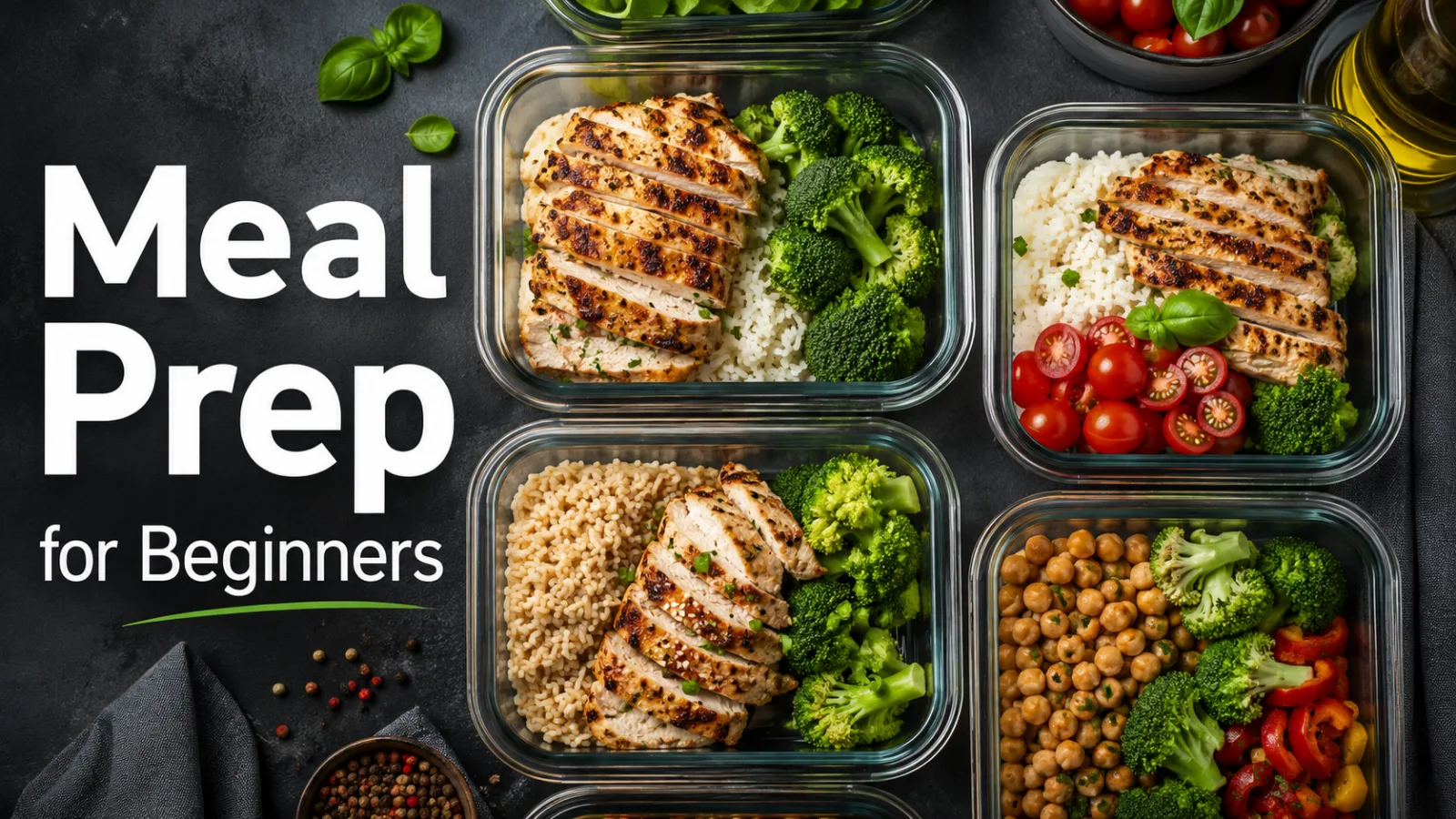
Quick Answer: Meal prep for beginners works best when you start small: choose three easy recipes, shop from one grocery list, and cook everything in a single two-hour session. Pack meals into clear containers, keep three to four days of food in the fridge, and freeze the rest. Repeat weekly and adjust as you learn. It’s 7:40 on a Tuesday night. You open the fridge, meet a sad lemon and half a bottle of ranch, and order delivery for the third time this week. Been there? That exact moment is why meal prep for beginners has become such a big deal — it moves dinner decisions from your hungriest hour to your calmest one. You don’t need chef skills, fancy gear, or a Pinterest-perfect fridge. You need one short cooking session and a plan you can repeat without thinking. This guide walks you through every step, from picking recipes to packing containers, plus the rookie traps to skip. Grab a snack and keep reading — future-you is about to eat a whole lot better.

Quick Answer: To do a digital detox, pick a clear time window, tell people you’ll be slow to reply, silence nonessential notifications, and delete your two stickiest apps. Fill the freed-up hours with offline plans so boredom can’t pull you back. Start with one screen-free evening, then build toward a full weekend. Look, you don’t need an app to tell you your screen time is out of hand. You feel it already — the twitchy reach for your phone at red lights, the hour that vanishes after “one quick check.” If that hits close to home, learning how to do a digital detox might be the reset your brain has been quietly asking for. And no, this doesn’t mean deleting everything and moving to a cabin. A good detox is small, planned, and honestly kind of pleasant. This guide hands you a simple seven-step plan, the traps that sink most attempts, and the tricks that make unplugging stick. Read on — your attention span will thank you later.

Quick Answer: To wake up early without feeling tired, count 7 to 9 hours back from your alarm, shift bedtime earlier in 15-minute steps, cut caffeine after 2 p.m., and get sunlight within 30 minutes of waking. Keep the same wake time every day — weekends included — and stop hitting the snooze button completely. The alarm goes off at 6:00. You slap snooze once, then twice, and suddenly it’s 7:15 and you’re sprinting for the shower with one sock on. Sound familiar? The good news: learning how to wake up early without feeling tired has nothing to do with superhuman willpower. It’s about fixing your nights so your mornings stop fighting back. Former snooze addicts flip this switch all the time with a few small changes — and none of them involve ice baths or 4 a.m. jogs. This guide walks you through the exact steps, from simple bedtime math to morning light. Give it ten days, and that 6:00 alarm might lose its power over you for good.

Quick Answer: Wireless earbuds vs wired headphones comes down to lifestyle. Earbuds win for commutes, workouts, and tangle-free convenience. Wired headphones win for sound quality per dollar, zero battery worries, and lag-free gaming. If you’re always on the move, go wireless. If you sit at a desk most of the day, wired gives you more for less. Here’s a wild fact: big phone makers started ditching the headphone jack back in 2016, and the argument still hasn’t cooled off. Now you’re standing in the audio aisle wondering which side to join. The wireless earbuds vs wired headphones debate isn’t really about which one is “better.” It’s about which one fits your actual day. Maybe you run every morning before class. Maybe you edit videos at a desk until midnight. Those two people need very different gear, and buying the wrong kind means paying twice. This guide compares sound, price, comfort, battery, and lag in everyday words — zero snob talk included. Keep reading, and you’ll know exactly where your money should go.

Quick Answer: Are smartwatches worth it? For most people, yes — if you’ll actually use the fitness tracking, notifications, and safety features. A $150 to $300 model covers everything a beginner needs. Skip one if you rarely move, hate charging another gadget, or only want to know the time. Your buddy glances at his wrist, closes a fitness ring, and grins like he just won the lottery. Meanwhile, you’re wondering if that tiny screen is really worth a week of grocery money. So, are smartwatches worth it, or are they just expensive step counters? Here’s the thing. The answer depends on how you live, not on what the ads promise. Some people get real value from wearable tech every single day. Others shove theirs in a drawer by February. This guide breaks down the true costs, the honest perks, and the deal-breakers in plain English. Stick with it to the end, and you’ll know exactly which camp you’re in — before you spend a dime.
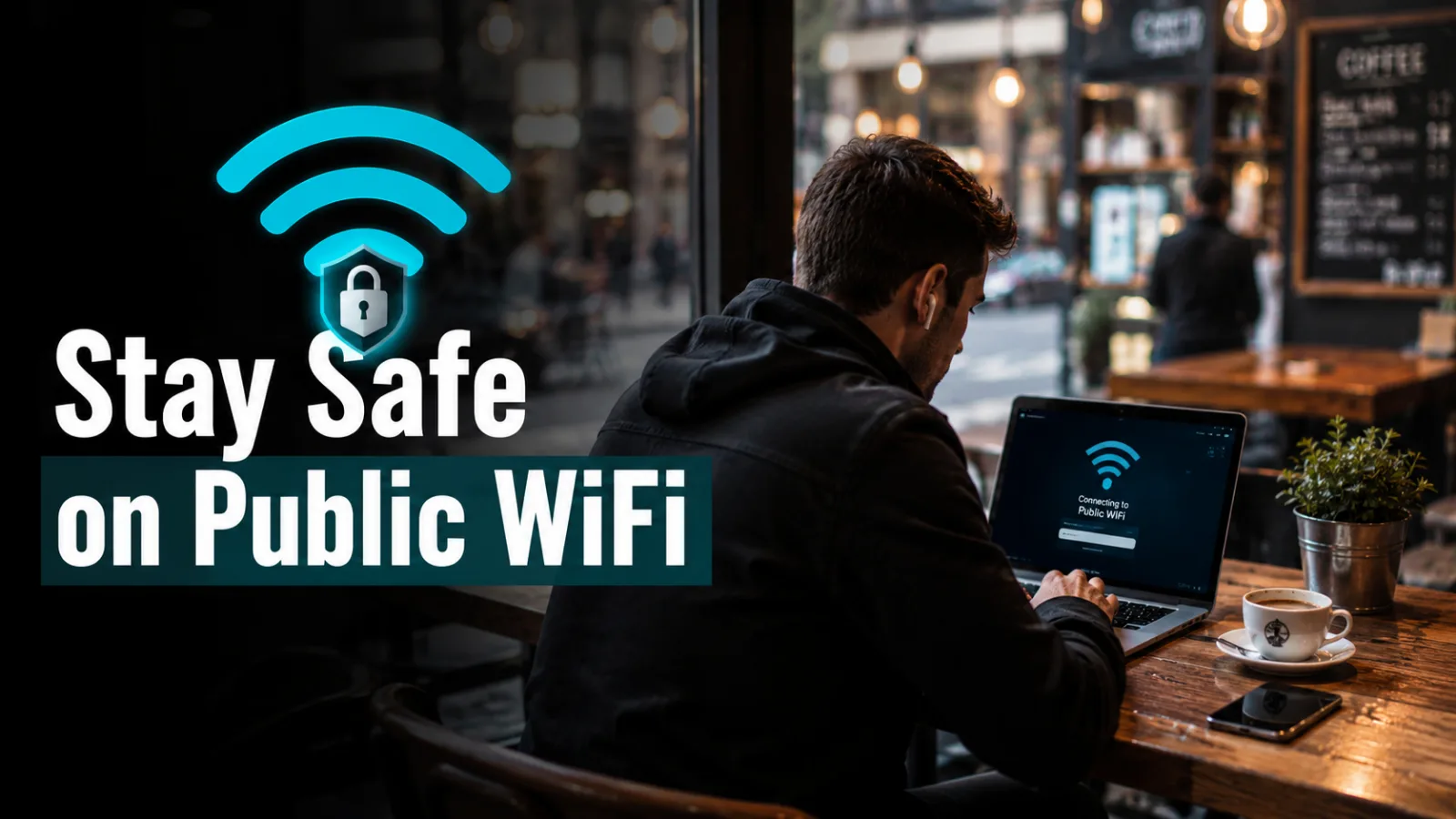
Quick Answer: To stay safe on public wifi, connect only to networks you can verify, stick to HTTPS websites, turn off file sharing and auto-connect, and use a VPN for anything sensitive. Save banking and shopping for your phone’s cellular data, which is far harder for strangers to snoop on. Picture this: you’re at the airport, your flight is delayed, and a network called “Free_Airport_WiFi” pops up. You tap it without thinking — along with half the people at your gate. The problem? Anyone can name a hotspot anything, including a scammer sitting three rows away. Learning how to stay safe on public wifi doesn’t mean giving up free internet. It means spending two minutes on setup so snoops get nothing useful from you. This guide walks you through every step in plain English, no networking degree required. Read it now, thank yourself at your next layover.
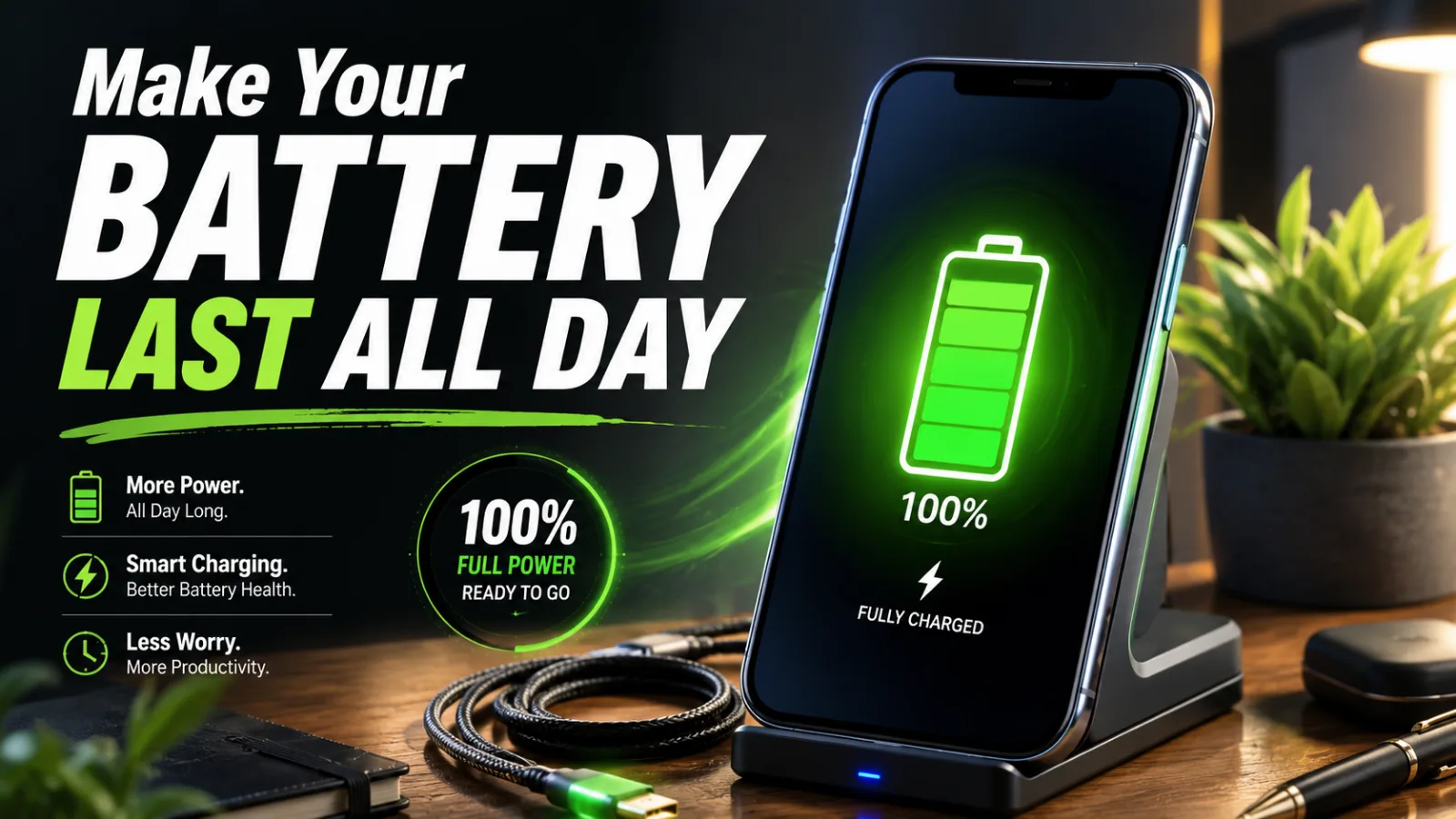
Quick Answer: To make your phone battery last longer, lower your screen brightness, shorten the auto-lock timer, limit background app refresh, and turn on battery saver before you hit 20%. For long-term health, avoid heat and try to keep the charge between 20% and 80% when you can. It’s 1 p.m., you’ve barely used your phone, and the battery already reads 15%. Now the rest of your day becomes a scavenger hunt for outlets. Frustrating, right? The fix usually isn’t a new phone. Once you learn how to make your phone battery last longer, a handful of settings buys you hours — and a few charging habits keep the battery healthy for years. This guide covers both, for iPhone and Android, in plain steps you can finish during a coffee break. Give the first three changes a shot today and watch where your battery sits tomorrow at 1 p.m.

Quick Answer: The best free AI tools for students are ChatGPT for explanations, Google NotebookLM for turning notes into study guides, Grammarly for cleaner writing, Quizlet for flashcards, Canva for presentations, and Notion for organization. All six have solid free plans, so a complete AI study setup costs you nothing. Here’s a fact that surprises most students: the AI tools your classmates pay for usually have free versions that handle 90% of what you need. Essay feedback, instant explanations, flashcards, study guides — all free, all available tonight. The trick is knowing which of the best free AI tools for students deserve a spot in your routine and which ones just waste your time. That’s exactly what you’ll get here: a short list that covers writing, studying, and staying organized, plus a simple way to pick between them. Bookmark this one, because you’ll want it again during finals week.
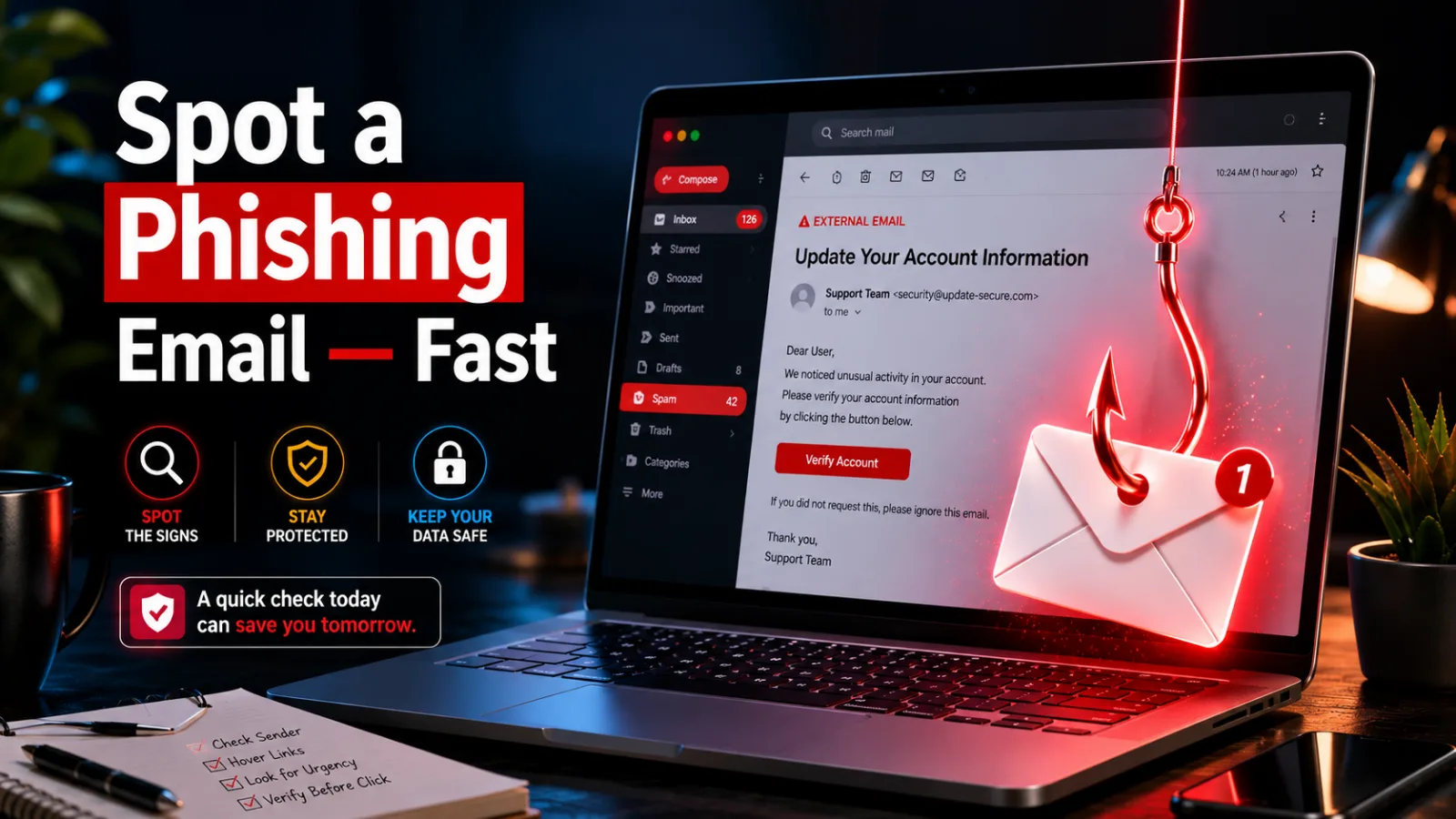
Quick Answer: To spot a phishing email, check the sender’s real address, hover over links before clicking, and watch for urgent threats like “your account will be closed.” Real companies never ask for passwords by email. When a message pressures you to act fast, that pressure itself is the biggest red flag. Last month, a message landed in my inbox that looked exactly like it came from my bank. Same logo, same colors, same footer. One detail gave it away — and by the end of this post, you’ll catch that detail too. Knowing how to spot a phishing email is one of the most useful skills you can build, because scammers now send messages that look almost perfect. The fakes fool smart people every single day. The fix isn’t fancy software. It’s a short checklist you run in your head before you click anything. Keep reading, and you’ll have that checklist down cold in about five minutes.

Quick Answer: The fastest way to speed up a slow laptop is to restart it, turn off startup programs, free up at least 15% of your disk space, and uninstall apps you never use. Most laptops feel faster within 20 minutes of these fixes, and none of them cost you a single dollar. You press the power button. Then you wait. And wait. Your laptop takes five minutes to load, and even opening a browser tab feels like a chore. Sound familiar? Here’s the good news: you don’t need a new laptop, and you don’t need to be a tech expert either. Learning how to speed up a slow laptop is mostly about clearing out junk your computer collects over time. In this guide, you’ll get simple fixes that work on almost any Windows laptop, plus a few that help Macs too. Grab a coffee, follow along step by step, and see how much faster your machine feels by the end.

Quick Answer: To go viral on social media, hook viewers in the first 3 seconds and post content people want to share. Use trends, tell stories, and post when your audience is online. Keep it short, clear, and emotional. Consistency matters most. Viral posts solve a problem, spark a feeling, or make people laugh.

Quick Answer: The best foods that boost energy give you steady, lasting fuel instead of a sugar crash. Great picks include oats, bananas, nuts, eggs, and leafy greens. They’re full of nutrients that keep you awake and strong. Pair them with water and skip the sugary snacks for the best results.

Quick Answer: The budget smartphone features that matter most are good battery life, enough RAM and storage, and a clear display. Look for at least 4GB of RAM, 128GB of storage, and a battery that lasts all day. A decent camera and recent software help too. Focus on these, and skip the fancy extras.
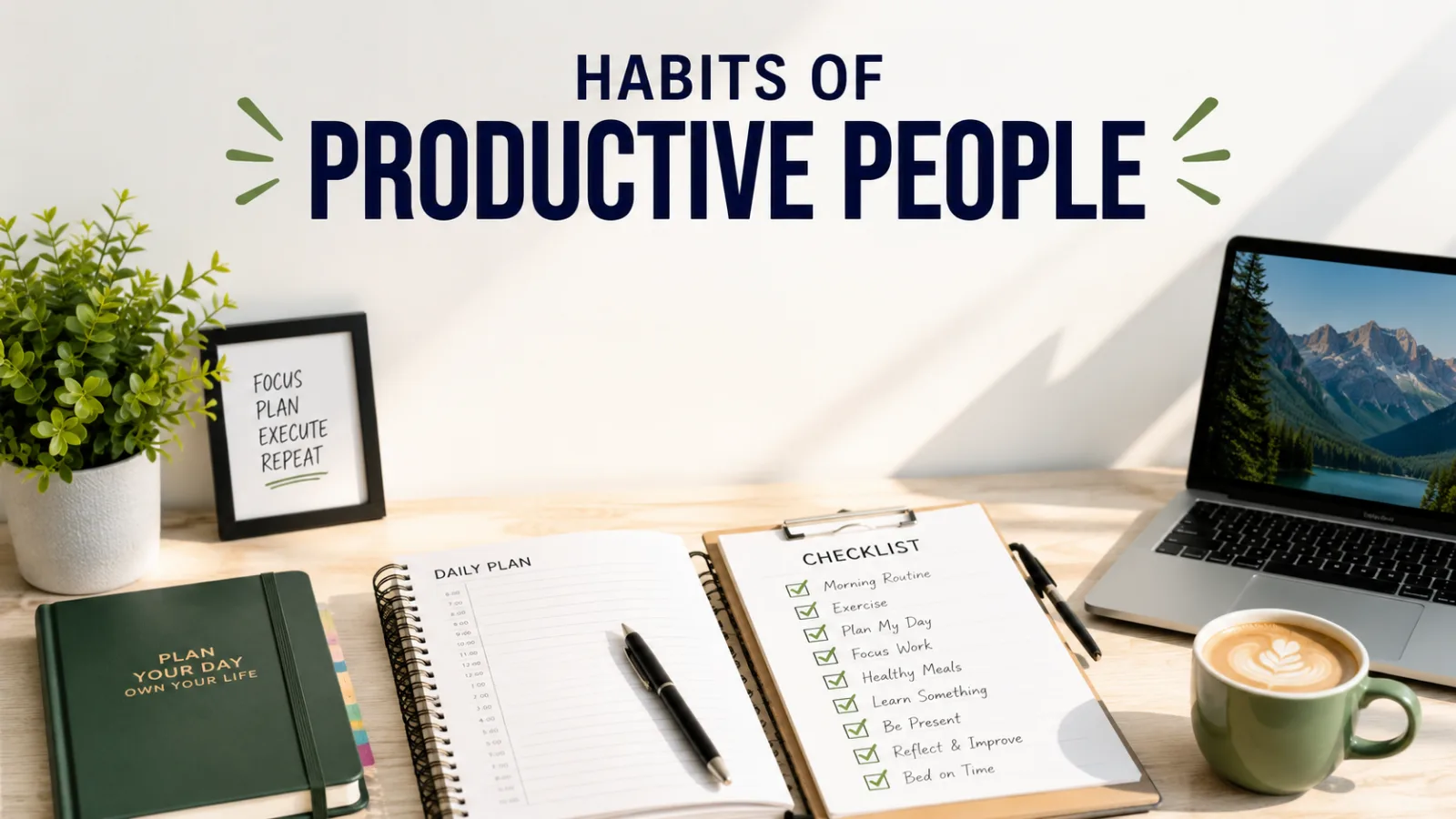
Quick Answer: The top habits of productive people include planning the day ahead, doing the hardest task first, and taking regular breaks. They set clear goals, avoid multitasking, and limit distractions. These simple habits help them get more done in less time. The good news is anyone can build them.
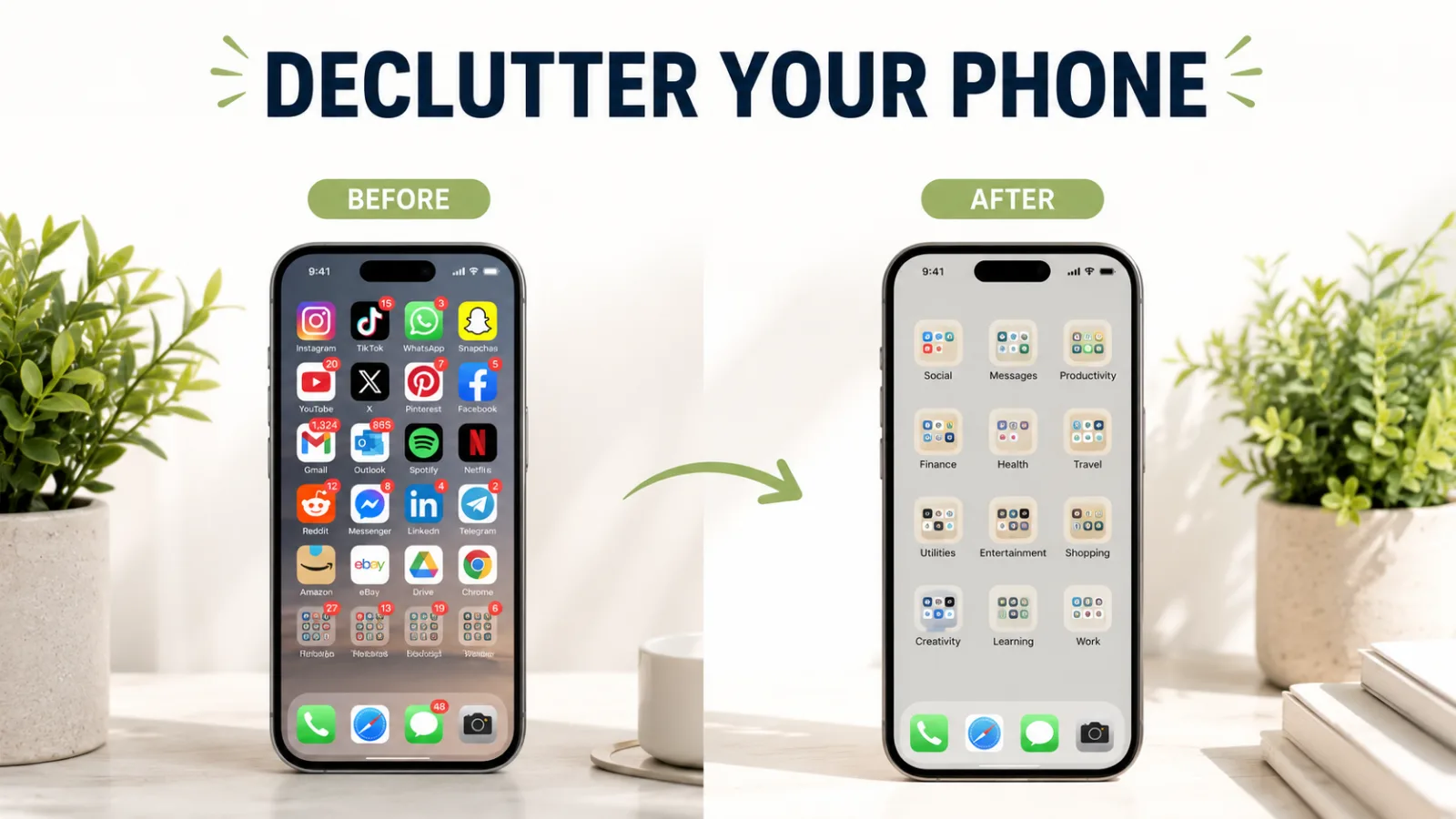
Quick Answer: To declutter your phone, delete apps you never use and clear old photos and files. Organize your home screen, turn off pointless notifications, and empty your downloads. Clean up your photo gallery and unsubscribe from spam. A tidy phone runs faster, frees up space, and feels calmer to use.

Quick Answer: Smart cheap travel tips help you see more while spending less. Book flights early and stay flexible with dates. Travel in the off-season, use budget stays, and eat where locals eat. Pack light to skip baggage fees. With a little planning, you can travel far on a small budget.
Quick Answer: The main signs of burnout include constant tiredness, losing motivation, feeling cranky, and trouble focusing. You may dread work, sleep poorly, or feel numb. Burnout builds slowly from long-term stress. Spotting these signs early helps you rest, set limits, and recover before it gets worse.
Quick Answer: Good ChatGPT prompts are clear, specific requests that get better answers. To save time, tell ChatGPT exactly what you want, who it’s for, and how long it should be. Use prompts for writing emails, planning your week, summarizing text, and learning new things. The clearer your prompt, the better the result.

Quick Answer: Is my phone listening to me? Mostly, no. Studies found no proof that apps secretly record your talks for ads. Targeted ads feel spooky because apps track your browsing, location, and habits instead. Your phone only truly listens for wake words like “Hey Siri.” You can limit tracking in your settings.
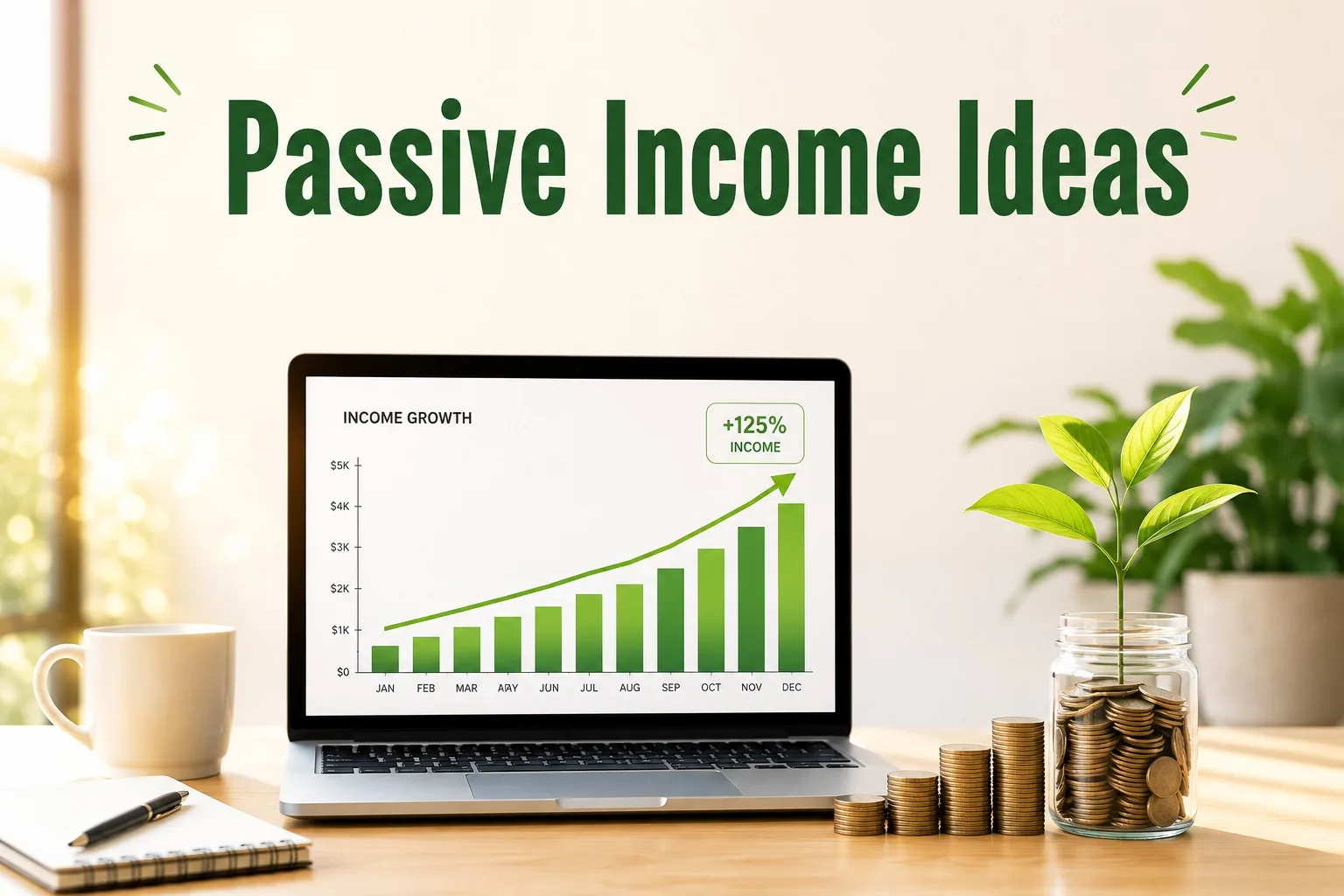
Quick Answer: Passive income ideas let you earn money with little daily effort after some upfront work. Good beginner options include selling digital products, affiliate marketing, dividend stocks, and creating online content. Start with one idea, stay consistent, and let it grow. Passive income is built over time, not found overnight.